24 HOUR SERVICE - 7 DAYS A WEEK





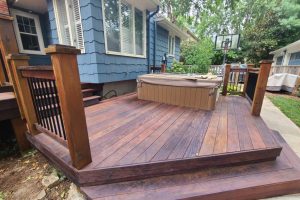
A well-stained deck looks fresh and inviting for years. It protects wood from sun, rain, and daily wear. Choosing the right professional makes all the difference between a beautiful, long-lasting finish and one that peels or fades quickly. Deck staining done by an experienced hand brings out the natural beauty of the wood while adding real protection. You want someone reliable who listens, works cleanly, and stands behind the job.
The search feels easier when you know what to look for. A good choice leaves you with a deck you love to use every season.
Drive around your neighborhood or ask friends who recently stained decks. See how the color holds up after rain or sun exposure. Even staining, no blotches, and clean edges tell you a lot. Photos online help, but real decks show the true skill. Fresh work that still looks good after a few months points to quality.
Read what real customers say on trusted sites. Look for comments about punctuality, cleanup, and how the stain held up over time. A few negative reviews happen to everyone, but watch for patterns. Polite responses to questions show care for clients. That kind of attention usually carries over to the work.
Good staining starts with thorough cleaning. Pros power-wash, sand rough spots, and remove old loose stains. Skipping these steps leads to peeling later.
Ask what products the pro uses to prep. Solid answers show experience and attention to detail.
Different stains suit different needs. Semi-transparent wood grain shows while adding color. Solid stains hide imperfections but cover grain. Clear sealers protect without changing looks. A pro explains which option fits your deck’s age, wood type, and sun exposure. Clear guidance helps you pick wisely.
A legitimate business carries general liability insurance. This protects your home if an accident happens. Ask to see proof, no hesitation means confidence. Licensing rules vary by area. A builder who follows us usually takes the whole job seriously.
Compare several written estimates. Each should list prep work, stain brand and type, number of coats, and total cost. Vague quotes often hide extra charges. Fair pricing feels reasonable for the quality promised. The lowest bid sometimes cuts corners on prep or materials.
A thoughtful pro covers nearby plants, furniture, and walkways. We remove all debris at the end of each day. Your yard stays tidy during and after the job. Ask how the pro handles drips or overspray. Careful habits prevent damage to siding or concrete.
Quality work comes with a warranty. Most pros offer one to three years on materials and labor. Clear terms explain what the warranty covers. A strong guarantee shows belief in the job. You feel secure knowing help is available if needed.
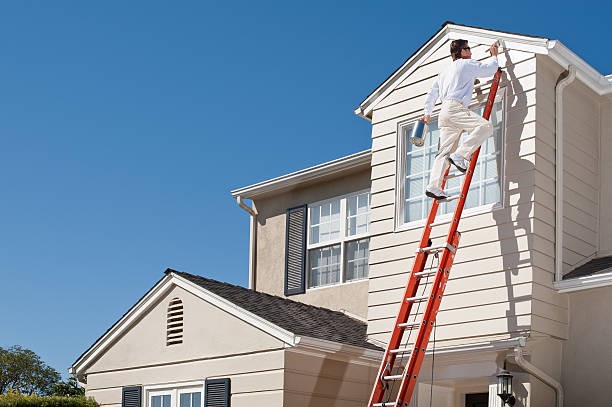
One reliable team that delivers this careful approach is Decker Service Professionals. We focus on prep and clean finishes and earn trust from homeowners. For homes that need matching touch-ups, a quick exterior painting refresh often pairs well with fresh deck stain.
Walk the deck together when the job ends and review the deck staining closely. Check for even color, missed spots, and smooth rails. Point out anything that needs fixing. A good pro handles touch-ups right away. This final check ensures the deck staining meets your expectations, so you pay only when you feel completely happy with the results.
A properly stained deck invites you outside more often. Morning coffee feels nicer. Evening barbecues last longer. The wood stays protected and beautiful season after season. The right professional makes that enjoyment possible without worry. Ready to refresh your deck? Reach out to a trusted staining expert today and enjoy the results you deserve.
1. How often should a deck be stained?
Most decks need restaining every 2–4 years. Sun exposure, weather, and foot traffic affect the timeline.
2. What is the best time of year to stain a deck?
Late spring or early fall works best. Mild temperatures and low humidity help the stain dry evenly without rushing.
3. Can I stain over old stains?
Yes, if the old stain is in good shape. A pro cleans and lightly sands first so the new coat bonds well.
4. How do I know if the deck needs staining or sealing?
Sprinkle water on the wood. If it beads up, the deck still has protection. If it soaks in quickly, it needs a new coat.
5. What prep work should a professional do?
Power washing, sanding, repairing damaged boards, and masking off nearby areas all help the stain last longer.
5 Unmissable Signs Your Property Needs Expert Exterior Painting HelpWhen it comes to maintaining your home, the outside matters just as much as the inside. Your house’s exterior is the first thing people notice, and it can quickly show signs of wear and tear. Your property’s exterior deserves the same level of care and attention as the inside.This is where interior exterior painting services come into play. The right professional can help protect your property from the elements, enhance its curb appeal, and provide long-lasting results. If you’re unsure when to hire a professional, here are five signs it’s time to get help from commercial exterior painting contractors or exterior commercial painting companies.
Peeling or chipping paint is a strong indication that your home could use a new coat. Over time, exposure to sun, rain, and wind can wear down the paint, causing it to detach from your walls. Although a quick touch-up might seem like a solution, peeling paint usually signals that there’s more to address. A professional can evaluate the surface, properly prepare it, and apply a fresh coat that ensures a smooth, long-lasting finish. Professional exterior house painting contractors are experts at managing this type of damage and restoring your home’s exterior.
Bright sun might feel good, but it’s tough on your home’s exterior. Over time, the strong UV rays can drain the color right out of your paint. If your house is starting to look faded or worn out, that’s a sign the paint isn’t doing its job anymore. A dull finish doesn’t just look bad, it means the surface underneath isn’t being protected. This is when professional exterior house painters come in handy. They know which paints can handle the sun and keep your home looking sharp for years to come.
Cracks in the paint or the walls themselves are another sign that your home could benefit from the services of an expert. Small cracks may seem harmless, but they can allow water to seep into the structure of your home, leading to much more serious problems like mold or rot. If you’re seeing cracks or damage, hiring exterior house painting contractors will allow professionals to repair the damage and ensure that the paint adheres correctly to prevent further issues down the road.
If your home’s exterior has been exposed to a lot of rain or humidity, you may start seeing water damage or mold growth. Mold can grow under peeling paint and can damage your home in the long run if not taken care of properly. A professional painter has the right tools and knowledge to remove mold and water damage, treat the affected areas, and apply a protective coating to ensure it doesn’t return. This is where commercial exterior painting contractors can save you from costly repairs in the future.
It’s not always about damage, sometimes, it’s just time for a change. If your home’s exterior feels stuck in the past or doesn’t reflect your current style, a makeover might be just what it needs. A new coat of paint can completely refresh your property and give it a modern, vibrant look. Whether you’re updating your colors to match trends or getting your home ready for sale, exterior commercial painting companies can help you achieve the look you’ve always wanted.
Most homes need fresh paint every 5 to 7 years. But if your area gets lots of sun, rain, or wind, it might be sooner. Watch for fading, cracks, or peeling paint, those are signs it’s time.
Not really. Peeling means the surface isn’t ready. Painting over it won’t last long. A pro knows how to clean, fix, and prep the surface so the paint sticks and looks great.
Go for spring or fall. Mild weather helps paint dry the right way. Too much heat or cold can ruin the finish.
If most of the paint looks dull, cracked, or worn out, a full repaint is best. But if it’s only a small area, touch-ups might work. A professional can take a look and let you know what’s better.
Usually around 3 to 5 days. Bigger homes or homes that need more prep might take longer, but a good crew works fast and clean.
Caring for your home’s exterior goes beyond aesthetics; it’s also about safeguarding what’s underneath. Choosing the right professional exterior house painters does more than boost curb appeal. It helps guard your home against rain, wind, and sun. If you’ve spotted any of the signs we’ve covered, it’s probably time to call in skilled exterior house painting contractors who know how to do the job right the first time.
At Decker Service Professionals, we do more than just paint, we help bring your vision to life, inside and out. Our team offers a full range of services, including interior exterior painting services, deck design and construction, fence installation, wood repairs, power washing, and custom renovation projects. Whether you need a single room refreshed or a complete exterior makeover, we handle every detail with skill and care. Serving Portland, Oregon and the surrounding areas, we’re known for quality craftsmanship, timely service, and personalized solutions that fit your needs and style. Need a new deck? Looking to update your home’s curb appeal? We’re ready when you are.
Visit deckerdecks.com to explore, view our project gallery, and get a fast, reliable estimate. At Decker Service Professionals, we make your property stand out, with work that lasts.
The Challenges of Painting Older Homes and How Contractors Overcome Them“A home is a reflection of its owner, and with every brushstroke, it becomes more than just a house – it becomes a part of history.”
Painting older homes is not the same as working on newer builds. With decades, if not centuries, of wear and tear, older homes present unique challenges that require specialized knowledge and skill. Exterior house painting contractors face many obstacles when painting older houses, from structural concerns to outdated materials. But through experience, dedication, and the right tools, these challenges can be overcome, ensuring that your home looks beautiful while maintaining its character.
One of the most common challenges when painting older homes is the condition of the surfaces. Over time, the exterior of a house can become weathered and worn. Cracked, peeling paint, rotting wood, and rusted surfaces are often present. Exterior house painting contractors have the tools and expertise to properly prepare these surfaces, including scraping off old paint, sanding rough spots, and filling in gaps or cracks. Without this prep work, the new paint won’t adhere well, resulting in an uneven or short-lived finish.
Many older homes were painted with lead-based paints before the dangers of lead exposure were widely understood. For this reason, exterior house painting contractors must take extra care when working on homes built before 1978, the year lead paint was banned for residential use. Contractors use protective gear, specialized equipment, and proper disposal methods to safely handle lead-based paint, preventing harm to both the workers and the homeowners.
Older homes are more susceptible to damage from moisture and weathering. Roof leaks, poor ventilation, and exposed cracks in walls can lead to water damage that affects the integrity of the paint job. Exterior house painting contractors assess these issues before applying any new paint to ensure that moisture isn’t trapped underneath. If necessary, repairs are made to prevent future damage, and mold or mildew is treated to ensure the paint goes on smoothly and lasts longer.
Older homes often have distinctive features, like intricate trim work, exposed brick, or unique window frames, that require special attention when choosing paint colors. Exterior house painting contractors must work with the homeowner to choose colors and finishes that complement the house’s original design, while still offering the durability and protection that modern paints provide. This balance ensures that the house maintains its historical charm while benefiting from the latest paint technologies.
Older homes, especially those in coastal or high-humidity areas, face unique weather challenges. Paint can peel faster if it’s exposed to high moisture levels or extreme temperature fluctuations. Timing the painting process correctly is crucial for ensuring that the paint adheres well and dries properly. Exterior house painting contractors know the best seasons to schedule exterior painting jobs, often preferring mild, dry weather conditions to ensure the paint lasts longer.
While painting an older home presents several challenges, exterior house painting contractors have the skills and knowledge to tackle each one effectively. From surface prep to selecting the right colors, every step is vital to ensuring the job is done right.
If you’re looking for interior and exterior painting services, Decker Service Professionals is your go-to solution. We are proud to offer a full range of home improvement services, from expert painting and staining to flooring, windows, and remodeling. Our talented carpenters and finishing technicians ensure your home is not just refreshed, but fully restored to its former beauty. Serving both residential and commercial clients, we guarantee that every project is completed with the highest standards of craftsmanship.
Painting Metal Siding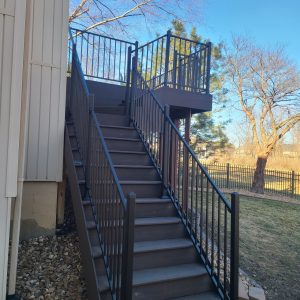
When it comes to siding materials, vinyl may be popular choice these days but metal siding isn’t far behind. Metal’s polished and sleek look make it a favorite for more house designs but the use of metal siding particularly aluminum dates back to the 1930s.
While there are now more options for metal siding such as the more expensive zinc and copper siding, aluminum and steel are still top choices for residential designs. The beauty of metal is that it doesn’t serve to mimic the look of wood, stone or bricks, it has its own aesthetic appeal. And it is typically low maintenance.
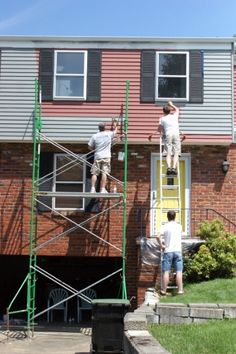
Metal siding is sustainable, has excellent durability and improves energy efficiency but it’s prone to dents, scratches and overtime the paint will wear out. Fortunately, metal is non-porous and easy to paint over to make it look like new. Here are a few preparations for painting metal siding.
Painting Metal Siding – When is the time right?
Metal siding even if pre-finished will eventually show signs of wear and tear especially if the house is old. Signs to look out for:
It’s best to tackle the issue as soon as any of the signs are present especially when you are trying to sell your house.
Prep Your Surface for Painting Metal Siding
As part of surface preparations, correcting any damages to the existing siding is important. One of the cons of metal siding is that it’s prone to dents. If one of the panels are badly dented, it’s better to replace it than repaint it. Paint won’t disguise a badly dented panel. Other things to look out for are sagging gutters, soffits, drainpipes and loose metal panels. If you’re going to be re-painting your siding, might as well look out for other things that need to be fixed.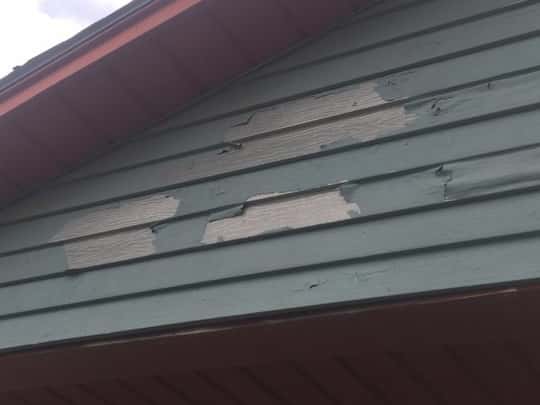
The next critical step in painting metal siding is to make sure the surface is clean and free of grease, bird droppings, mildew, caulking, or mold and other debris. The best method for cleaning metal siding is to use a pressure washer. Cleaning metal siding should be done carefully as soft metals like aluminum can easily bend and dent with the incorrect settings for pressure washer.
A good tip in washing metal siding is to spray water downwards in the same way rain hits the house. Washing it with hot water can clean the siding without needing to use bleach or detergent. While pressure washing the exterior of the house can be done by homeowners themselves, it’s best to hire a contractor especially if the siding are extremely dirty.
Check If Your Siding Needs Primer
Priming is necessary if the metal is already exposed, if the surface is severely weathered or if the surface has a chalky feel even after thorough cleaning.
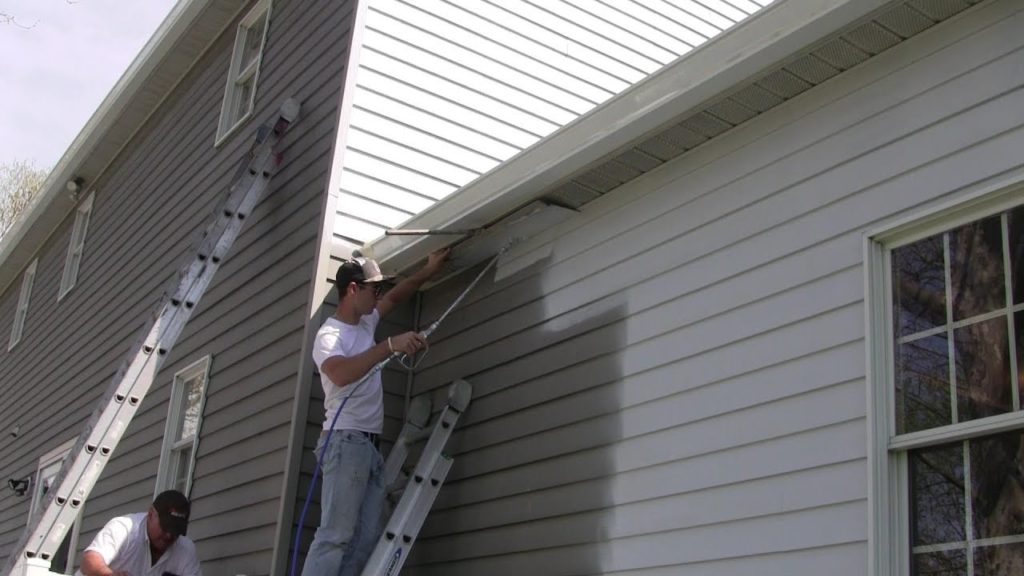 For surfaces that requires priming, check for peeling and cracked paints which need to be sanded prior to painting. Choose primers that are best suited for the type of metal siding that you have while also checking if the primer is compatible with the paint you’re going to use.
Choose a Paint Color
Before painting metal siding, decide on a color for your metal siding. For exterior paint colors, going with safe light colors is better than choosing darker shades. Darker paint colors absorb more heat and can quickly weather your metal siding. Chalking, fading and other discoloration problems are more 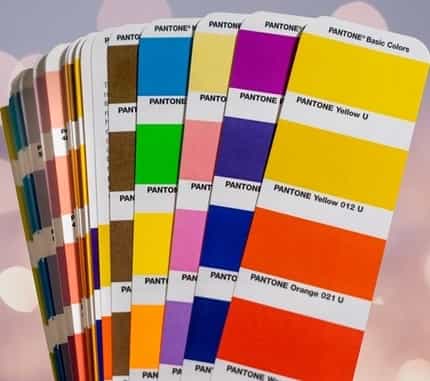 noticeable with darker colors. Get some samples from your local paint store and swatch it on a small part of your siding to see what the paint color looks like in different times of the day.
Paint finish is also just as important as the paint color. Flat or matte colors can really make your house pop and is perfect for more contemporary and modern houses. It can also hide imperfections like brush strokes and uneven finishes but is difficult to clean and tends to accumulate residue even when scrubbed or brushed. Satin finishes, on the other hand, are easier to clean and will resist stains better than matte paint.
Leave It to The Pros
While painting metal siding can be a DIY project, it’s best to call or hire professional painting contractors to do the job for you. When it comes to exterior works and one as big as painting your house, it’s better to invest in employing the services of professionals rather than go the DIY route.
A good paint job, if done right, will last 20 years, enough time to keep the house in tip-top shape should you ever decide to sell it.
If you’re in Kansas or around the area, Decker Service Professionals has a team of painting contractors that meet all your painting requirements. With over 30 years of experience, our team is committed to providing quality work from start to finish.
Kansas City, MO – Ipe Refinishing and Staining
Having a deck makes summer BBQ parties, evening hot cocoa and breakfast with a view possible, taking just a few steps away from indoor]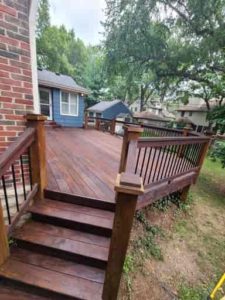
spaces. Decks make homeowners reconnect with the outdoors within the comfort of a home. This becomes even more meaningful now that staying at home is encouraged to stay safe from the virus.
Traditionally, pressure treated lumber topped with locally available wood were used as deck materials. Now, tropical hardwoods have increased the options for both homeowners and contractors. Some of the most common woods used for decking are: bamboo, cedar, redwood and Ipe.
Ipe the “Ironwood”
Ipe, also known as Brazilian walnut or  Brazilian hardwood, is a species of hardwood that is indigenous to South and Central America. Nicknamed the “ironwood,” Ipe is known to bend nails because of its density and its strength is said to be comparable to that of steel.
A testament to its durability, the Riegelmann Boardwalk or the Coney Island Boardwalk in New York City used Ipe wood to replace longleaf pine decking. The new material withstood higher foot traffic and heavy vehicles plying through the boardwalk. Even with the replacement of the boardwalk’s material, the ironwood was reclaimed and used for other projects such as the art galleries of Barnes Foundation in Philadelphia, further indication of Ipe’s time-tested durability.
While claims of Ipe being 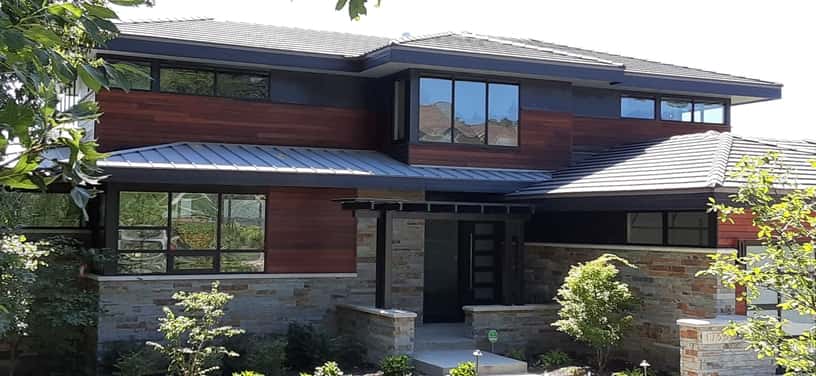 fireproof are debatable, the United States Forest Products Laboratory released a report in 2007, “Cone Calorimeter Tests of of Wood-Based Decking Materials” which shows that the wood is a good choice for wildfire-prone areas. Further adding to the reasons why Ipe is sought after, the wood is resistant to mold, insects and rot because of the natural presence of high concentrations of tannic acid.
One downfall of Ipe is its cost. It’s no secret that the exotic Brazilian hardwood is expensive and the average cost of an Ipe deck for a 10 x 15 foot space is $4,700 where wood grade and difficulty level of installation can further affect the price. It has also fallen out of favor with sustainable designers and contractors because it presents many environmental issues. Fortunately, there are Ipe decking materials that are certified by The Forest Stewardship Council (FSC) that will let environmentally conscious homeowners and builders use the wood without problems.
Maintenance – The Secret to Ipe Decks’ Longevity
Homeowners who have existing Ipe decks are fortunate to be enjoying the benefits of the wood’s properties. As with any other exotic wood, the key to its longevity is maintenance which includes proper Ipe refinishing and staining refinishing including cleaning of Ipe wood.
Refinishing wood decks or Ipe siding is part of a homeowner’s responsibility to extend the wood deck’s life. It restores the beauty of the hardwood, and ensures that the deck is safe from splinters and cracks. While it can be done as a weekend project, hiring professional contractors is a must if there are some elaborate works to be done.
Refinishing may include:
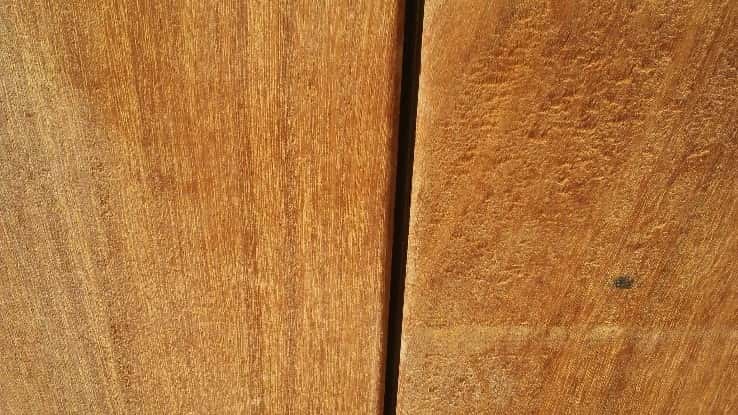
Sanding is often required if there are raised grains to prevent splinters. Oftentimes, the grains can be lightly sanded with sandpaper but if the grains are too raised, an orbital sander might be needed. In the photo above you can notice a raised grain on the left and mill marks on the right. Remember to keep a dust vacuum handy and wear a respirator when sanding because Ipe produces very fine dust when sanded
Prior to sanding, inspect the deck for repairs. Remove loose, raised nails and replace with proper decking screws close to the nail hole. Further inspect the deck for large holes and cracks and use wood fillers to fill it up.
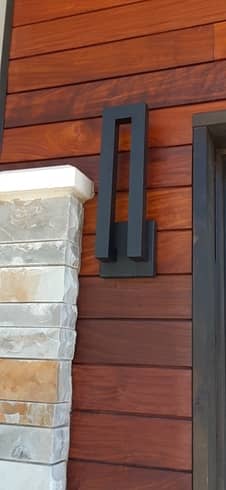 Some experts recommend occasional pressure washing to clean Ipe decks and reveal the underlying color of the wood. Others say pressure washing can do more harm than good. If you choose to pressure wash your deck, test it on a small inconspicuous area and use a setting not higher than 1200 psi. A simple hose and an appropriate deck cleaner will also do if you’re wary of using a pressure washer. At Decker Service Professionals, we recommend soft washing with low pressure not exceeding 500 psi.
 Annual Maintenance
Overtime, Ipe wood turns slightly grayish or silver especially when exposed to natural 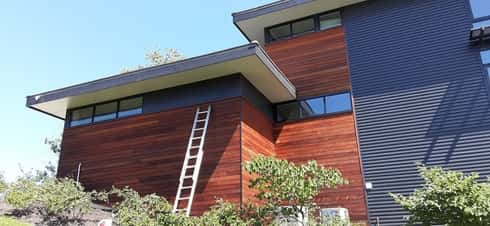 elements like sun. Putting an awning over your deck can help slow down the weathering process and prevent uneven faded spots. An oiled deck will require yearly maintenance by reapplying oils to maintain the color. Cleaning the deck immediately from tree sap and spills and not putting things that rust on top of the wood will help prevent lasting damage.
With Mother Nature beckoning people to enjoy the warmer weather, having a beautifully refinished Ipe not only makes spending time outdoors possible, it also extends the life of the wood making investment on a costly decking material go a long way.
Please contact Decker Service Professionals for an estimate on Ipe refinishing and staining





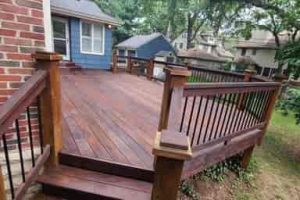
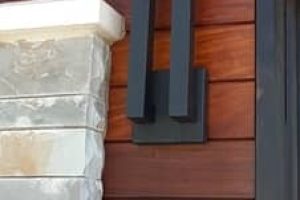

A home’s exterior provides that first impression. Real estate owners will often tell you that potential house buyers are all about curb appeal because when you don’t entice them on the outside, how will they care to see what’s on the inside? Even if you don’t have any plans to sell your house in the future, having a beautiful and appealing exterior is still part of an owner’s responsibility.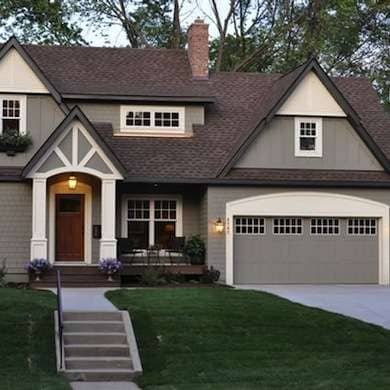
One of the best ways to improve curb appeal is through exterior painting. While there are different color trends for the interior, it’s good to know that trends for exterior color schemes are far more timeless and can take a while before a new one rolls in. The key to finding a good color scheme for a house is to look at its style. Is it traditional? Is it gearing towards modern? Or is the style more contemporary? Knowing the style of your house, what defining features make it and the history behind it should let you know which color schemes to choose. Have a look at five of the most loved house styles in America below and the color schemes that go well with it.
What it is: America’s darling home traces its roots back to the colonial period (16th to 19th century) of the United States. It conjures up images of 4th of July and village greens with children and grownups running around defining the independent spirit of America. Colonial homes are perennial, still seen all over the cities and states of the US. It is further classified into French Colonial, Dutch Colonial, Spanish Colonial, First Period and Colonial Georgian. European settlers brought in all styles during their colonization of America.
Defining Features: Colonial homes are the houses that were etched into our minds as children: square or rectangular bodies with a triangular roof, a centrally placed door with windows on both sides and a chimney. Although there are different types of colonial architecture, all houses share the same characteristics with a few differences based on geographic location.
Dominant Colors: Colonial homes relied heavily on modest earth tone colors such as creamy off-white, pale yellow, reddish-brown, beige, taupe and pale green. These were colors that were easy to come up with because the pigments were naturally sourced and depending on the region, different mixers were used and therefore colors varied per area.
Modern Color Trends:
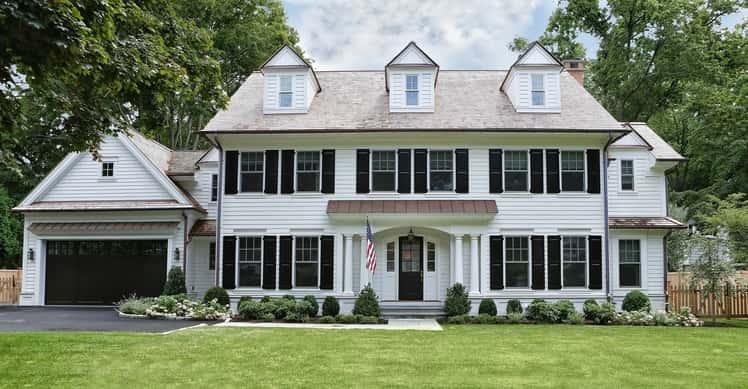
Exterior Painting Color Combinations.
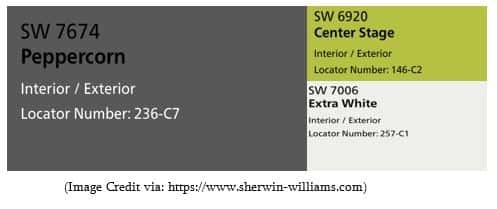
color, gray seems to be popular in or outside of the house whether it’s dark or light. Since the colors are monochrome, a brighter accent like bright red or a warm brown-red can be used for the door.
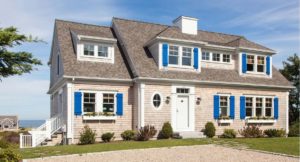
What it is: Originating from Cape Cod, Massachusetts from where it got its namesake, the Cape Cod house was built to withstand the harsh winds and cold weather in winter. It was built with locally sourced materials; wood covered in clapboard sidings and left unpainted. The original Cape Cod was simple and minimalist in nature with very little embellishments that later on evolved to a more modern, detailed and cozy cottage style house. Like the Colonial home, the Cape Cod remains a favorite among Americans to this day.
Defining Features: Cape Cod homes have four different variations: the Half Cape, Three-quarter Cape, Quarter Cape, and the Full or Double Cape. The Half Cape features a door on one side and two windows on the other side. The Three-Quarter Cape has a door with two windows on the side and a single window on the other side, the Quarter Cape has a single window and door. Lastly, the Full Cape had a central front door with two windows on both sides. While the style has evolved in the 21st century with additional exterior embellishments, the compact floor plan remains.
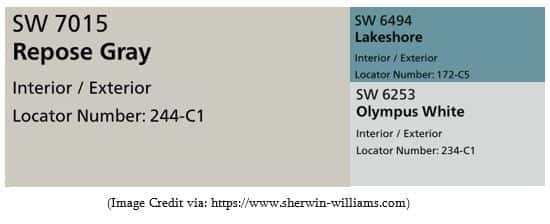
Dominant Colors: Cape Cod houses were typically left unpainted and relied on the natural color of the wooden materials, which faded beautifully into tan or gray.
Modern Color Trends:
What it is: Craftsman homes were born out of the Arts and Crafts Movement in the late 1800s, which originated in Britain. It was a movement that rebelled at the rising Industrial Revolution where handwork was favored and emphasized over mass production. When it arrived in America, it became a movement that rejected the over-decorated Victorian houses but distinguished itself as the Craftsman Bungalow where the goal was to provide affordable housing for the middle-class Americans.
The American Craftsman has further spread thanks to Gustav Stickley, founder of The Craftsman magazine, which inspired the style’s name. The magazine contained furniture and house designs of the style including those of the architect brothers, Charles Summer Green and Henry Mather Green who had a Pasadena-based firm and became renowned masters of the style.
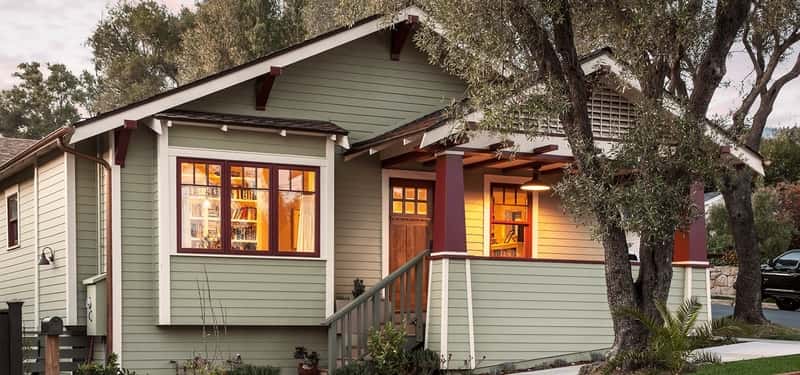
Defining Features: The Craftsman home was designed to be sturdy and made of natural materials. It shows great details outside but the inside remains simple with a wide-open layout. The house is often made of mixed materials primarily wooden clapboard and shingle sidings with some stone, bricks, stucco, and concrete block features.
Dominant Colors: Colors are subdued and limited to earthy browns and greens to blend in with the landscape. Contrast colors are limited to the decorative details to help it stand out.
Modern Color Trends:
Ranch Home Color Combinations
What it is: Often called the Rancher or the Rambler House, the ranch-house style can be traced back to the North American Spanish Colonial Architecture in the 17th to the 19th century which was single-storied and perfect for the warm climate. The style boomed after World War II because its ease of construction and affordability were able to provide homes quickly to the rising generation of baby boomers. The style is often considered a subtype of modern architecture and today, most ranch homes are often designed in the modern style.
Defining Features:
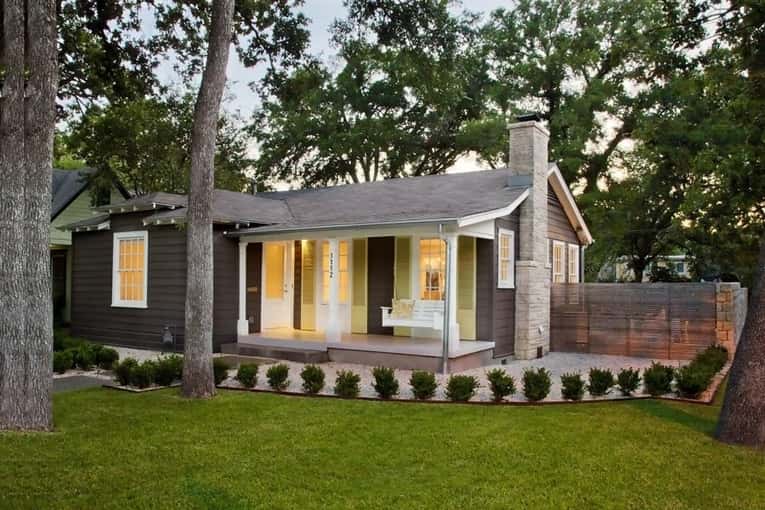
Dominant Colors: Ranch homes used single colors since it was quicker to use a single shade.
Modern Color Trends:
Chocolate Brown + white – Ranch-style houses are monotone by nature, owing to the fact that it made it easier and quicker to construct. Updated styles still continue to use simple hues but are not afraid of color. Chocolate brown is one of those beautiful earth tones that never get boring and it sits right at home with a ranch style house. The addition of the pale yellow accent further enhances the brown. A brown façade will accommodate just about any accent color but keeping the hues soft will make a ranch-style house seem more cozy and warm.
Mid-century Modern
What it is: Headed by the likes of Walter Gropius, Ludwig Mies Van der Rohe, Le Corbusier and many more, Mid-Century Modern or more popularly known as Modern Architecture, came from post-World War II, a time for discovery of new building methods and materials. The style emerged around the early 1930s to 1965 and the modern simplicity remains a well-loved style even amongst millennial homeowners.
Defining Features: Steel and plywood became the main material for houses and there was an emphasis on integration with nature thus the open space plans and wide use of glass that encouraged people to go outside.
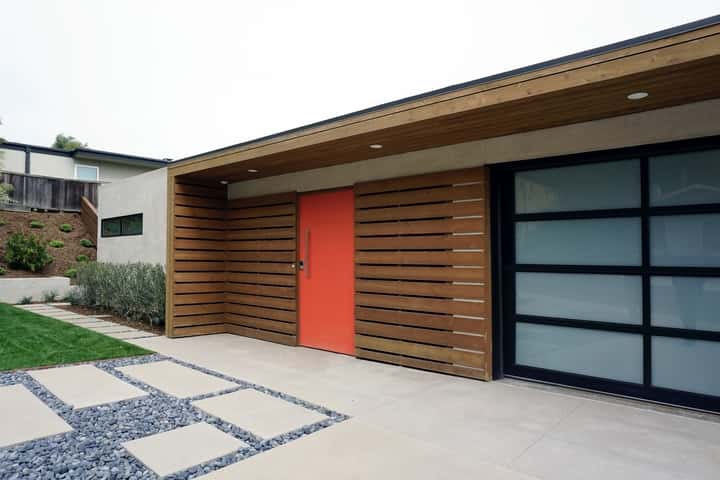
Dominant Colors: Modern homes rely on its natural finishes for its colors but more recent homes use one eye-catching accents for their homes to offset the neutrals.
If you’re looking for Mid-century inspired colors, look at the works of the modern furniture designers like Charles Eames and Eero Saarinen.
Timeless Color Trends
Newer and fresher colors will always be released every single year and as a homeowner, it’s always tempting to keep up with those trends. The good news is that trends in exterior colors tend to last longer than most interior color trends. Even if there are new exterior colors, choose a palette that’s perennial and classic. Being timeless doesn’t mean staying with safe colors. It’s choosing color palettes that have true, staying power.
Deciding on a color palette for the outside of your home is just as important as choosing a color scheme for your interiors. Not everyone gets to see the inside of your home but your house’s exterior will create a first impression for everybody.  Everyone will remember that “little red house” they pass through on the way to work or that happy-looking “yellow house with a purple door” that stands out among the rest of the neighborhood.
But with the many available exterior house painting colors to choose from, how do you decide on a color scheme for your home? One tip is to look at your neighbors’ houses, you certainly do not want to copy them brick by brick but if their homes’ colors are neutral, that would give you an idea on where to start. Another tip would be to determine the style and era of your home. Some styles of homes have intricate and beautiful details that you would want to stand out. Learning the house colors that are traditionally used for your homes will help make it easier to decide on a color palette.
America’s beloved house, the Colonial style traces its roots back to the colonial period of the United States. It’s the house that we all drew when were children which just shows how timeless and classic this house style is.
One of the most notable features of this style is its sharply pitched roof that serve to shed snow in the winter. In the South, hip-roofs or roofs that slope downwards on all sides replace the gable roof to prevent damage from strong winds. There is emphasis on entrances where paneled doors are often paired with a transom above it. Columns or pilasters sometimes flank the entrance to create a roofed porch and windows are placed symmetrically on the center and on each side. A chimney is often a part of most colonial homes.
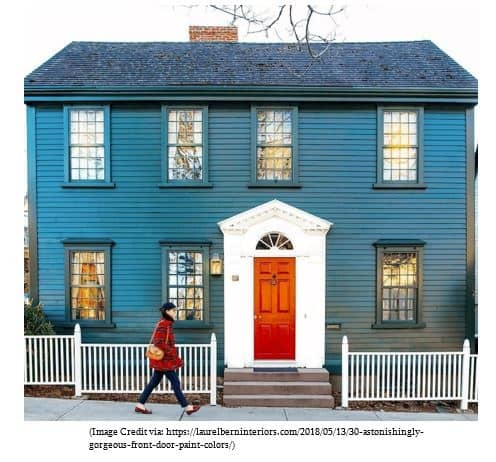
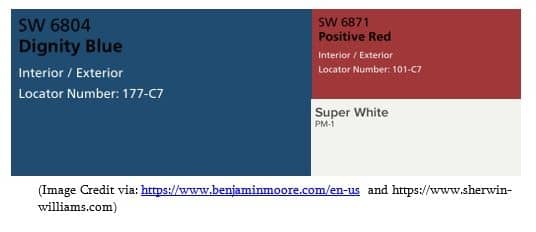
Color Palettes: Colonial homes are traditionally painted in all-white or muted pastel colors but Colonial Revival homes have made use of vibrant and fresher looking colors. A fresh and vibrant blue house just makes 4th of July and winters more exciting. Since doors are very much emphasized in Colonial style, this is a chance to make it pop out even more by using brighter colors.
Ranch houses or ranch homes originated from the Spanish colonial architecture in the 17th to 19th century in the United States. These homes were purposely built as single-story structures with low rooflines to combat the Southwestern heat. Although there was a decline in the late 1960s, ranch homes have been revived into more contemporary and mid-modern styles in the 90s.
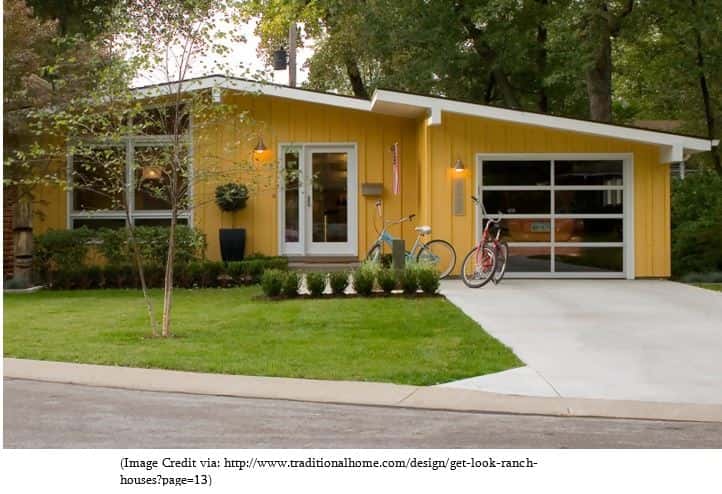
Aside from its low structure, another feature would be attached garages on the side. Gabled or hip roofs are used with deep overhanging eaves. Large windows flank both sides.
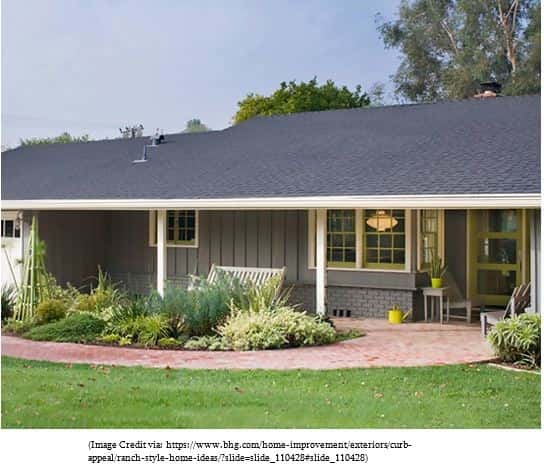
Since ranch houses are typically associated with the warmer states, colors like a warm lemonade yellow are very fitting. If you want a calming color after battling with the summer warmth of the sun, a nice dove gray with pops of bright avocado green is also perfect for a ranch style house.
Cape Cod could be likened to the Colonial house which could in fact, be a variation of it. It was brought to the United States by the Puritan Carpenters. It was inspired by the Hall and parlor house found in England in the 19th century. However, it was modified to be of a lower structure and used local materials to withstand the harsh weather of New England. It was then named “Cape Cod” by Reverend Timothy Dwight IV, President of Yale University after visiting Cape Cod in 1800.
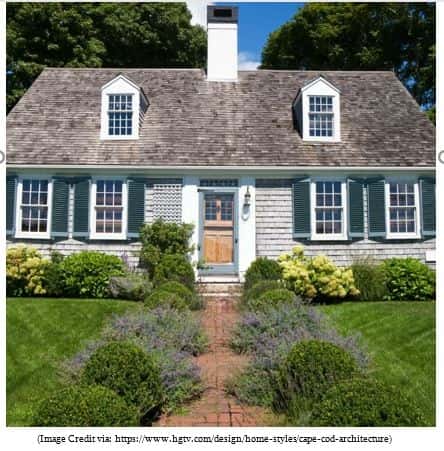
Over the years, the style evolved from being a single-story structure to a two-storied house. There are also variations of the style namely, Half Cape or Single Cape, Three-quarter Cape and Full or Double Cape. The half cape has a front door on one side with two windows on the other, the three-quarter cape is similar to the half-cape but has an additional window on the other side. The Full Cape has two windows on both sides with a centrally placed front door. Some houses also have chimneys and dormer windows.
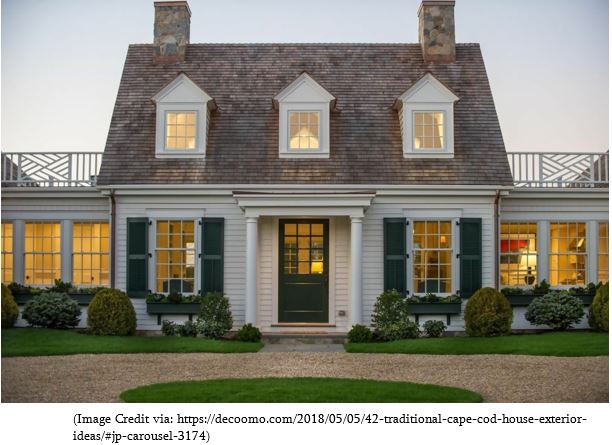
Pay homage to its roots and stick to traditionally neutral colors like beiges, dove grays and taupes accented with some brighter blues and greens reminiscent of the sea and grass of the Eastern coastline.
Bungalows originated from Bengal during the days of the British Empire. It was typically used as rest houses for travelers. It was a simple one-story house with thatched roofs that allowed air to freely circulate in and out of the space. The idea eventually spread to the United States and was explored by architects of the Arts & Crafts Movement. The architects made it evolve from a simple summer home to a year-round American home that graced the pages of magazines. Gustav Stickley and the Greene brothers were responsible for spreading the popularity of the Bungalow.
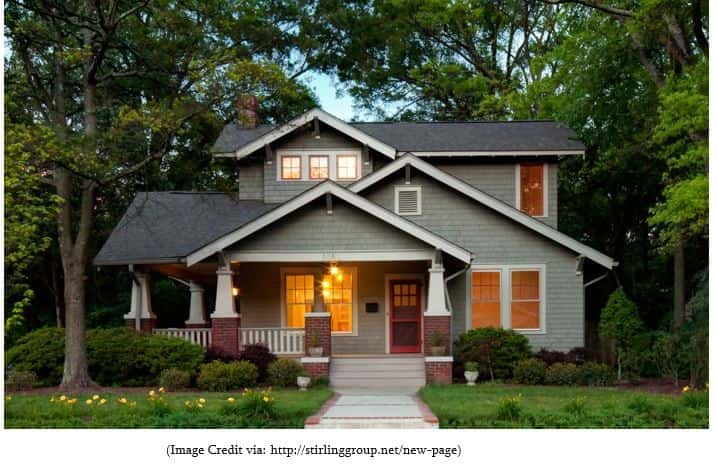
The modern bungalows are classified by its low-pitched gable or hip roofs with exposed beams or rafters, a porch or veranda flanked with square columns. There are also many types of Bungalows, the California Bungalow, Craftsman Bungalow, Modern Bungalow and Prairie style, which differ in materials, and a few additional features.
Since most bungalows use natural materials such as wood and stone, stick to exterior house colors that will match those materials. Neutral browns and grays, earth tones and whites with warm undertones give off a classic look. If your bungalow is leaning towards a more modern style, exterior house colors that would go well with natural materials would be sage green, a deep blue color or play it safe with pastel colors.
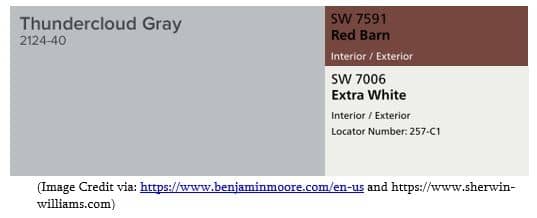
Some of these house styles have intricately designed features and architectural details. You can use exterior house color to either emphasize or hide these details. If you want some certain features to stand out, paint it in a bright contrasting hue that will make it pop out from the rest of the house. Otherwise, if you want to hide an unsightly or outdated feature, paint it the same hue as the main color.